


Introduction
We have all been there: halfway through a Vinyasa (breath-synchronized movement) flow, your hands start to slide in Downward Dog, or your knees press uncomfortably into a hard studio floor. A yoga mat is more than just a piece of equipment; it is the foundation of your entire practice. At Yoga Design Lab, we believe that your mat should be a fusion of high-performance functionality and soul-stirring aesthetics. Whether you are a dedicated hot yoga practitioner or someone just beginning to explore asana (physical poses), the surface beneath you dictates your stability, comfort, and connection to the movement. This guide explores everything you need to consider when selecting a yoga mat, from material science to cushioning levels. By understanding how different features support different styles of practice, you can find a mat that inspires you to show up for yourself every single day.
Understanding Yoga Mat Thickness and Cushioning
One of the first decisions you will face is how much cushion you need between your body and the floor. This is not just about comfort; it is about joint protection and stability. A mat that is too thin might leave your knees bruised after a long session of low lunges. Conversely, a mat that is too thick can make balance poses, such as Tree Pose, feel unstable because your feet sink too deeply into the material.
Standard mats typically range from 3mm to 5mm. A 3.5mm mat is often considered the "gold standard" for versatility. It provides enough padding for most floor work while remaining light enough to carry to the studio. If you have sensitive joints or practice a lot of restorative yoga—where poses are held for several minutes—a 5mm or 5.5mm mat offers the extra support your spine and hips require. For more guidance, read our guide to choosing the best yoga mat thickness.
For those who are always on the move, travel mats are a distinct category. These are usually 1.5mm thick. While they offer minimal cushioning, they are designed to be folded or rolled tightly into a suitcase. Many yogis use a thin travel mat as a hygienic topper over a studio-provided mat to get the best of both worlds: premium cushion and a personalized, grippy surface.
Key Takeaway: Choose your thickness based on your primary practice location and joint sensitivity. Thicker mats (5mm+) suit restorative and home practice, while standard mats (3.5mm) offer the best balance for studio classes.




Choosing the Right Material for Your Practice
The material of your yoga mat determines its grip, durability, and environmental footprint. In the past, most mats were made of PVC (polyvinyl chloride), a type of plastic that is durable but not biodegradable and often carries a strong chemical scent. Today, practitioners have access to much more thoughtful options.
Natural Tree Rubber
Natural rubber is a favorite for many because of its incredible "open-cell" grip and durability. It provides a sturdy, grounded feel that synthetic materials struggle to replicate. It is also a renewable resource, harvested from rubber trees. It is important to note that natural rubber mats are heavier than foam alternatives, which contributes to their premium, high-quality feel.
Recycled PET Microfiber
For those who practice high-intensity or hot yoga, a microfiber surface is often the best choice. We use recycled PET (polyethylene terephthalate) microfiber made from recycled plastic bottles. This material is unique because its grip is moisture-activated. Instead of sliding around when you sweat, the microfiber surface actually becomes more secure as it gets damp. This eliminates the need for a separate yoga towel.
Sustainable Cork
Cork is a standout material for several reasons. It is harvested from the bark of cork oak trees without harming the tree itself, making it one of the most sustainable materials on the planet. Cork contains a waxy substance called suberin, which makes it naturally antimicrobial and resistant to odors. Like microfiber, cork becomes grippier when wet, making it excellent for anyone who experiences sweaty palms during practice. Explore the available Cork Yoga Mat options to compare the category.
Why Grip and Traction Matter
Traction is arguably the most critical safety feature of any mat. Without a reliable grip, you risk overextending muscles or slipping during transitions. There are two main types of grip to consider: dry grip and wet grip.
Dry grip is what you feel when you first step onto a mat with dry hands. Materials like PU (polyurethane) or certain textured rubbers provide an immediate "tacky" feel. This is ideal for Hatha or Yin practices where you are unlikely to break a heavy sweat.
Wet grip is essential for anyone practicing in a heated room or a fast-paced Vinyasa class. If you use a standard foam mat in a hot class, the sweat sits on top of the "closed-cell" surface, creating a literal slip-and-slide. A moisture-activated surface, like the one found on the Combo Mat, absorbs that moisture and uses it to create a bond between your skin and the mat.
Myth: A yoga mat should be "sticky" the moment you buy it. Fact: Many high-performance mats, especially those with natural or recycled materials, require a "break-in" period or a little moisture to reach their peak grip levels.
The Best Yoga Mat for Your Specific Style
Not every mat is built for every practice. To find your ideal match, think about what a typical 60-minute session looks like for you.
For the Hot Yoga Enthusiast
If you spend your time in a room heated to 95 degrees or higher, you need a mat that can handle significant moisture. The Combo Mat was specifically designed for this environment. By bonding a recycled microfiber towel to a natural rubber base, it creates a "mat-and-towel-in-one" solution. This prevents the frustrating bunching that happens when you lay a traditional towel over a standard mat.
For the Daily Commuter
If you take the subway, bike, or walk to your local studio, weight is a major factor. You want a mat that provides enough support but won't strain your shoulder during the commute. A Flow Yoga Mat or a 3.5mm mat offers a middle-ground weight that fits easily into a standard yoga mat bag.
For the Beginner
When you are just starting, you may want a mat that offers a bit of everything: good cushion for developing joints and a predictable grip. A versatile everyday mat is usually the best starting point. Many beginners also find that a mat with a beautiful design makes them more excited to unroll it, helping them build a consistent habit.
For the Eco-Conscious Practitioner
If sustainability is your top priority, look toward cork. A Cork Mat provides a firm, grounding surface that feels close to nature. Because cork is naturally antimicrobial, it is also a great choice for those who want a low-maintenance mat that stays fresh with just a simple wipe-down after class.
How to Choose Your Mat in 5 Steps
If you are feeling overwhelmed by the options, follow this simple process to narrow down your selection.
Step 1: Identify your yoga style. Determine if you primarily practice hot yoga, gentle restorative, or a balanced Vinyasa. This dictates the grip type you need.
Step 2: Assess your joints. Decide on thickness. If you have a history of knee or wrist discomfort, lean toward a 5mm or thicker mat for added support.
Step 3: Consider your travel habits. Will this mat stay at home, or will it travel to the studio and on vacations? Choose a weight and thickness that fits your lifestyle.
Step 4: Align with your values. Decide if you prefer natural materials like tree rubber and cork or recycled synthetics like PET microfiber.
Step 5: Pick a design that speaks to you. Yoga is a visual and sensory experience. Choosing a print or color that brings you joy can actually improve your mindset as you begin your practice.
If you are still comparing cushion, grip, portability, and materials, take the Mat Quiz for a more personalized starting point.
Bottom line: Your mat should be a tool that removes distractions—slipping, discomfort, or poor support—allowing you to focus entirely on your breath and movement.
Sustainability and Ethical Design in Yoga Gear
At Yoga Design Lab, we believe that the products we use to better ourselves should not come at the expense of the planet. This philosophy is baked into every material choice we make. When the brand was founded in Bali by Chad Turner, the goal was to move away from the uninspiring, mass-produced plastic mats that dominated the market.
We utilize natural tree rubber as the base for many of our products because it is durable and biodegradable. For our microfiber surfaces, we have diverted thousands of plastic bottles from landfills by turning them into high-performance textiles. Even our aesthetic choices are handled with care; we use water-based inks for all of our vibrant, nature-inspired prints.
Choosing a sustainable mat is an extension of the yoga principle of Ahimsa, which means non-harm. By selecting gear made from renewable or recycled materials, you are practicing mindfulness before you even take your first breath on the mat.
Proper Care for Longevity
Investing in a high-quality yoga mat is only the first half of the equation; the second half is taking care of it. Proper maintenance ensures that your mat remains hygienic and maintains its grip for years to come. For additional guidance, read our article on how to maintain a cleaner yoga mat.
- Clean after every session. Use a gentle, vegan mat spray or a simple solution of water and a drop of mild soap. Avoid harsh chemicals that can break down natural rubber or cork.
- Air dry completely. Never roll up a wet or damp mat. This is how bacteria and odors grow. Hang it over a chair or a rail out of direct sunlight until it is dry to the touch.
- Avoid direct sunlight. Natural rubber and water-based inks can degrade and fade if left in the sun for extended periods. Store your mat in a cool, dark place or inside a mat bag.
- Roll it correctly. Always roll your mat with the top (designed) side facing out. This keeps the corners flat when you unroll it for your next practice and protects the practice surface from debris.
Note: For mats with recycled microfiber tops, like our Travel Combo Mat, you can occasionally put them in the washing machine on a cold, gentle cycle with no bleach. However, frequent machine washing can accelerate wear, so hand wiping is usually best for daily maintenance.
The Role of Props in Enhancing Your Mat
While the mat is the center of your practice, props can help you get the most out of it. If you find that you cannot quite reach the floor in a standing fold, a Cork Yoga Block brings the floor to you, allowing you to maintain proper spinal alignment. Similarly, a Yoga Strap can help you find a deeper connection in seated stretches without straining your shoulders.
For those focusing on heart-opening poses or seeking more spinal mobility, a Cork Yoga Wheel is an excellent companion to your mat. It provides a sturdy, circular surface to roll out tension in the back and shoulders. Using these tools in conjunction with a high-quality mat creates a complete ecosystem for your physical and mental well-being.
Yoga Mat Size and Weight Considerations
While the standard size for a yoga mat is roughly 24 inches wide and 68 to 72 inches long, there is some room for variation. Taller practitioners should look for "long" versions of mats to ensure their head and feet stay on the mat during Savasana (corpse pose, or final relaxation).
Weight is also a practical consideration. A heavy natural rubber mat (often 6–7 lbs) provides incredible stability and doesn't move an inch during vigorous transitions. However, if you are walking long distances, a lighter TPE (thermoplastic elastomer) or a thinner rubber mat (3–4 lbs) might be more practical.
Bottom line: Balance your need for a "grounded" feel with the reality of how you will transport your mat to ensure you actually use it.
The Connection Between Design and Motivation
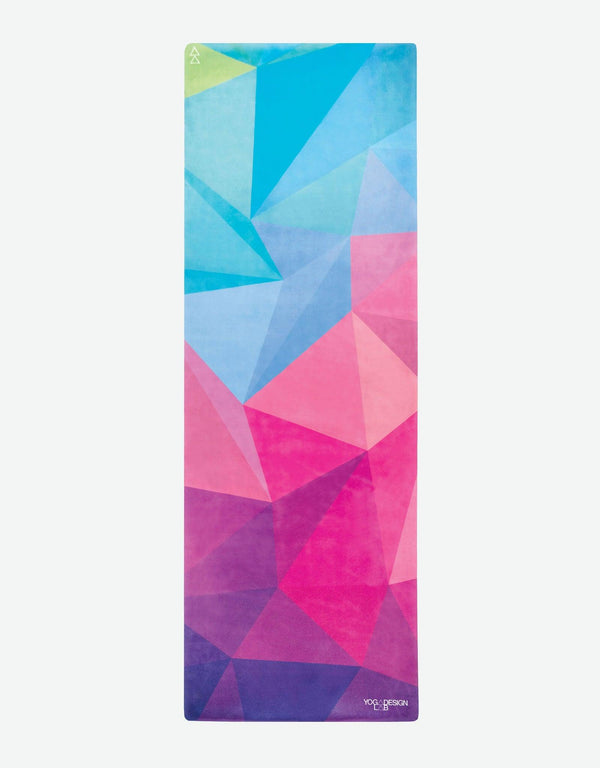
It might seem superficial to care about the print on your mat, but psychology suggests otherwise. The environment in which we practice significantly impacts our mental state. A mat featuring a calming mandala or a vibrant tropical print can act as a visual cue for your brain to transition into a state of mindfulness.
Our Bali-inspired designs are intended to be a piece of art that lives in your home. When your mat is beautiful, you are less likely to hide it away in a closet and more likely to leave it unrolled, which significantly lowers the barrier to starting a quick 10-minute stretch or meditation session.
Conclusion
Finding the right yoga mat is a personal journey that depends on your body, your preferred yoga style, and your environmental values. Whether you choose the moisture-activated grip of a Combo Mat, the sustainable firmness of a Cork Mat, or the cushioned support of an Infinity Mat, the goal remains the same: to create a space where you can practice without distraction.
- Select thickness based on joint needs (3.5mm for most, 5mm for extra cushion).
- Choose materials like natural rubber, cork, or recycled PET to support both your practice and the planet.
- Ensure the grip matches your sweat level (microfiber or cork for heat, rubber for dry grip).
- Maintain your mat with gentle cleaning to extend its lifespan.
Yoga Design Lab was founded on the idea that high-performance gear can be both beautiful and sustainable. We believe that when you love the look and feel of your gear, you are more likely to show up on the mat and stay there longer. To find the perfect match for your unique practice, we invite you to take our Mat Quiz for a personalized recommendation.
"The mat is a mirror. What happens on the mat is a reflection of how you handle life off the mat. Make sure your foundation is strong."
FAQ
How often should I replace my yoga mat?
Most high-quality mats last between one and five years, depending on the frequency of use and how well they are maintained. You will know it is time for a replacement if the material begins to crumble, the grip significantly fades, or you can feel the floor through the cushion in poses where you previously felt supported. Our guide to cleaning a yoga mat at home also covers signs of wear and material-specific care.
Can I use a regular exercise mat for yoga?
While possible, exercise mats are often too thick and squishy, which can lead to wrist strain and instability in balance poses. Yoga mats are specifically engineered to provide a balance of "give" and "grip," ensuring your hands and feet stay firmly planted during transitions.
My new mat has a rubber smell; is that normal?
Yes, mats made from natural tree rubber often have a distinct, earthy scent when first unwrapped. This is a sign of the material’s authenticity and lack of heavy chemical masking agents. The smell will naturally dissipate within a few days if you leave the mat unrolled in a well-ventilated area.
Is a more expensive yoga mat really worth it?
For a regular practitioner, investing in a premium mat is usually worth it for the improved grip, joint support, and longevity. Higher-end mats use more durable, sustainable materials like natural rubber and recycled textiles that outperform and outlast budget PVC mats, which often need to be replaced much sooner.


