


Introduction
We have all been there—settling into a deep Downward-Facing Dog (Adho Mukha Svanasana) and feeling your palms slowly creep toward the front of the mat. It is a subtle but persistent distraction that pulls you out of your breath and into a state of physical frustration. For many of us, this struggle is often paired with the nagging feeling that our gear is not quite aligned with our values. Most mass-produced mats are made from synthetic plastics that are hard on the environment and even harder to recycle.
At Yoga Design Lab, we believe that you should never have to compromise your grip or your environmental principles to have a beautiful practice. A high-quality non slip eco yoga mat is more than just a piece of equipment; it is the foundation of your daily ritual. In this guide, we will explore why material choice matters, how different surfaces solve the problem of slipping, and how to find the perfect sustainable partner for your unique movement style.
The Problem With Conventional Materials
For decades, the yoga industry relied almost exclusively on Polyvinyl Chloride, better known as PVC. It was the standard because it is cheap to manufacture and offers a "sticky" feel when dry. However, PVC is often referred to as a "poison plastic" because its production and disposal involve toxic chemicals that are harmful to both humans and the planet. It is a synthetic material that is not biodegradable, meaning a discarded PVC mat will likely remain in a landfill for centuries.
Beyond the environmental toll, conventional mats often fail the performance test when things get sweaty. While they might feel grippy when you first unroll them in a cool room, that traction often disappears the moment you begin to glow. Once moisture enters the equation, a standard plastic mat becomes a literal slip-and-slide. This forces many people to layer a separate towel over their mat, which can bunch up, slide around, and create a tripping hazard during fast transitions. We believe there is a more elegant and sustainable way to stay grounded.


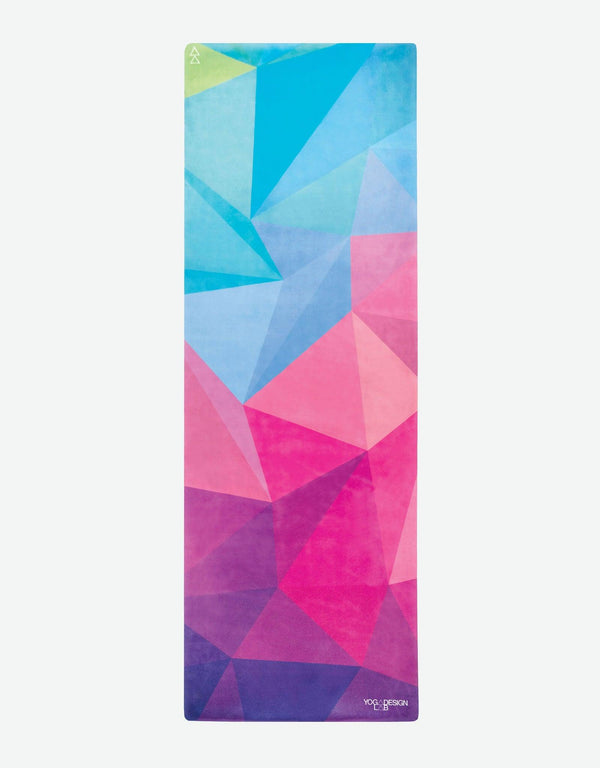


Understanding the "Eco" in Your Yoga Mat
When searching for a non slip eco yoga mat, it is helpful to look past vague marketing terms and focus on the actual materials used. True sustainability is built from the ground up.
Natural Tree Rubber
Natural tree rubber is the gold standard for a sustainable mat base. Unlike synthetic rubbers derived from petroleum, natural rubber is harvested from Hevea brasiliensis trees. This process is renewable and does not require the trees to be cut down; the bark is simply tapped to collect the latex.
Natural rubber provides a level of density and "bounce-back" that synthetic materials struggle to replicate. This is essential for protecting your joints during weight-bearing poses like Plank (Phalakasana) or lunges. Additionally, natural rubber is naturally grippy and stays firmly planted on the studio floor, ensuring your mat does not slide around while you move.
Recycled PET Microfiber
One of the most exciting developments in sustainable yoga gear is the use of recycled PET (polyethylene terephthalate) microfiber. This material is created by processing used plastic bottles into a soft, durable, and highly absorbent fabric.
By choosing gear that incorporates recycled PET, we are helping to divert plastic waste from our oceans and landfills. When this microfiber is bonded to a natural rubber base, it creates a surface that is specifically engineered for high-performance grip. This is the foundation of our signature Combo Mat, which combines the cushion of a mat with the absorption of a towel.
Sustainably Harvested Cork
Cork is a remarkable gift from nature. It is harvested from the outer bark of the cork oak tree, which grows back every nine years. This makes cork one of the most renewable and biodegradable materials available to yogis.
Cork is naturally antimicrobial, meaning it resists the growth of bacteria and odors. It also contains suberin, a waxy substance that actually provides more grip when it gets wet. This unique property makes it an excellent choice for a non slip eco yoga mat, especially for those who want a firm, earthy feel under their hands.
The Science of the Non-Slip Grip
The word "grip" means different things depending on how you practice. A mat that feels secure during a slow-paced Yin session may feel like ice during a vigorous Vinyasa class. Staying grounded is all about matching the mat's surface technology to your level of moisture.
Moisture-Activated Grip
Most traditional mats lose their traction when they get wet. However, moisture-activated technology does the opposite. Our microfiber-topped mats are designed to get "grabbier" the more you sweat. The fibers act like millions of tiny hooks that catch onto your hands and feet.
If you find yourself slipping at the start of a class before you have fully warmed up, a simple trick is to lightly spritz the mat with water where your hands and feet go. This instantly engages the grip, providing a "velcro-like" sensation that allows you to focus on your alignment instead of your footing.
Textured Surfaces and Support
For practices where you stay relatively dry, or for those who prefer a more traditional "sticky" feel, a textured surface is key. Mats like our Infinity Mat use a high-performance, textured top layer that provides immediate traction without the need for moisture.
This type of surface is excellent for dry hands and provides the stability needed for balancing poses like Half Moon (Ardha Chandrasana). The texture acts as a physical barrier against sliding, while the dense cushioning underneath supports your joints.
Open-Cell vs. Closed-Cell Construction
Understanding the "cell" structure of your mat can also help you manage grip and hygiene.
- Closed-Cell: These mats do not absorb sweat. Instead, the moisture sits on top of the mat. While this makes them very easy to wipe clean, they can become slippery if not paired with a microfiber surface.
- Open-Cell: These mats have a porous surface that sucks up moisture. While they offer great grip when wet, they can be harder to keep hygienic because they act like a sponge for sweat and bacteria.
We choose to use a closed-cell natural rubber base to ensure our mats do not harbor bacteria, while placing the high-performance grip on the top layer where it is needed most.
Key Takeaway: The "best" grip depends on your sweat level. If you sweat a lot, choose a moisture-activated microfiber top. If you stay dry, choose a textured natural rubber or cork surface.
Matching Your Mat to Your Yoga Style
Every person's movement journey is unique. Your choice of a non slip eco yoga mat should reflect the way you choose to show up on your mat each day.
For the Hot Yoga Enthusiast
If you regularly practice in a heated room, your biggest challenge is managing moisture. The Combo Mat is designed specifically for this environment. By bonding a recycled microfiber towel top to a natural rubber base, it provides the ultimate absorption and stability.
You no longer have to carry a separate mat and towel to class, and you will never have to worry about a towel bunching up during a jump-through. It is a mat and towel in one, designed to thrive in high-humidity conditions. For additional guidance, explore the ultimate hot yoga companion.
For the Traveler and Commuter
Yoga is a practice we take with us, whether we are heading to the local park or flying across the country. Standard mats can be heavy and difficult to pack. For these moments, we recommend a Travel Combo Mat.
At only 1.5mm thick, these mats offer the same sustainable, non-slip performance as our thicker versions but can be folded flat into a suitcase or backpack. They are the ideal non slip eco yoga mat for the yogi on the move who refuses to sacrifice their values. You can compare options in the yoga mat collection.
For the Restorative and Yin Practitioner
If your practice is slower and involves holding poses for several minutes, you likely prioritize comfort and dry grip. The Infinity Mat or the Flow Yoga Mat are excellent choices here.
They provide the cushioning your knees and elbows need for floor-based poses while offering a surface that is grippy from the moment you unroll it. When you are moving slowly, you want to feel a sense of immediate security so you can fully relax into your breath.
For the Nature Lover and Minimalist
There is something incredibly grounding about the feel of natural cork under your skin. For those who want an earthy, firm surface, our Cork Mat is the perfect fit. It stays cool to the touch and offers a subtle, natural scent.
Because cork is naturally antimicrobial and moisture-activated, it is a versatile choice that handles everything from gentle Hatha to a sweaty Vinyasa flow. It is a simple, beautiful, and highly effective tool for a minimalist practice.
Enhancing Stability with Props
A great mat is your foundation, but the right props can help you access poses that might otherwise feel out of reach. When choosing accessories, we apply the same high standards for sustainability and performance. Explore yoga props and accessories for blocks, straps, bolsters, and wheels.
- Cork Yoga Blocks: Unlike foam blocks which can feel "squishy," our sustainably harvested cork blocks provide a firm, stable base. They are naturally grippy, which is vital when you are leaning your full weight into them for support in a pose like Triangle (Trikonasana).
- Yoga Straps: These are essential for finding connection when your hands cannot quite reach your feet. They help you maintain integrity in your spine during seated folds and binds.
- Yoga Wheels: For those looking to open their chest or support their spine in backbends, a Cork Yoga Wheel provides a natural, slip-resistant surface that feels secure against the back.
How to Care for Your Eco-Friendly Mat
A high-quality non slip eco yoga mat is an investment in your practice. Because these mats are made from natural materials rather than cheap plastics, they require a specific type of care to ensure they last for years.
Routine Maintenance
After every practice, it is a good idea to wipe your mat down with a soft cloth and a simple solution of water and a drop of mild soap. Avoid using harsh chemical sprays or heavy essential oils. While oils smell nice, they can eventually clog the fibers of a microfiber mat or break down the natural rubber, which will diminish the grip over time.
Deep Cleaning
One of the unique benefits of our microfiber-topped mats, like the Combo Mat, is that they are machine washable. If your mat has had a particularly sweaty week, you can toss it in the washing machine on a cold, gentle cycle. Use a very small amount of mild detergent and do not use bleach.
The Drying Rule
This is the most important part of mat care: Never put a natural rubber mat in the dryer. High heat will destroy the natural rubber and ruin the mat. Instead, hang it to dry over a chair or a railing away from direct sunlight. Direct UV rays can cause natural rubber to become brittle and fade the water-based inks we use for our designs.
Cork Mat Care
Cork is even easier to maintain. Because it is naturally antimicrobial, it does not need deep cleaning as often. Simply wipe it down with a damp cloth. Avoid soaking your cork mat, as too much water can make the natural cork brittle over time.
The Yoga Design Lab Story: Beauty and Purpose
Our story began in 2014 in a yoga studio in Ubud, Bali. Our founder, Chad Turner, looked around and saw a room full of uninspiring, mass-produced grey and purple mats. He realized that these mats were not only visually dull but were also likely made from materials that would eventually harm the planet.
He set out to create yoga gear that combined high-performance functionality with stunning, artful design. He wanted to make gear that people were actually excited to roll out. From that vision, Yoga Design Lab was born. We are committed to the idea that beauty, performance, and sustainability can coexist. Read our Bali origin story for more about the brand.
We use water-based inks to create our vibrant, nature-inspired prints, ensuring that our mats are non-toxic and safe to breathe on during deep Pranayama (breath control). We believe that when your gear is beautiful and feels good to use, you are more likely to show up for your practice.
Why Material Transparency Matters
In an industry filled with "greenwashing," we believe in being clear about what goes into our products. When you are shopping for a non slip eco yoga mat, look for brands that list their materials specifically.
Our mats are free from toxic glues, phthalates, and lead. We use natural tree rubber, recycled PET from plastic bottles, and sustainably harvested cork. We use biodegradable packaging because we believe the environmental impact should be considered from the moment the product is made until the moment it reaches your door. Explore our sustainability commitment to learn more about these choices.
Key Takeaway: True sustainability requires transparency. Look for mats made with natural rubber, recycled materials, and water-based inks to ensure your practice is as clean as your intentions.
Finding the Right Fit for You
We understand that choosing a mat is a personal decision. It depends on your height, your joint health, your favorite style of yoga, and even the climate where you live.
If you are still feeling unsure about which non slip eco yoga mat is the best match for you, we have created a tool to help. Our Mat Quiz asks a few simple questions about your practice and provides a personalized recommendation. It is the easiest way to ensure you find a mat that you will love for years to come. You can also compare materials and practice needs in this guide to choosing the best yoga mat.
Building a Consistent Practice
The best mat in the world is only effective if you use it. We often hear from our community that having a beautiful, high-performing mat makes us more excited to step into the studio. Your mat is your sanctuary—a small, rectangular space where you can be present, move with intention, and cultivate mindfulness.
When that sanctuary is built on a foundation of sustainability, your practice feels even more aligned with the yogic principle of Ahimsa, or non-harm. By choosing gear that honors the earth, you are bringing more integrity to every breath and every movement.
Whether you are just starting your journey or have been practicing for a decade, the right gear supports your growth. It allows you to push your boundaries safely, stay grounded when things get difficult, and find a moment of peace in a busy world.
Conclusion
Finding a non slip eco yoga mat is an investment in yourself and the planet. By understanding the science of grip and the importance of sustainable materials like natural rubber, cork, and recycled PET, you can choose a mat that truly supports your practice. Whether you need the heavy-duty absorption of a Combo Mat for hot yoga or the earthy stability of a Cork Mat for your morning stretches, there is a sustainable solution waiting for you.
We invite you to explore our yoga mat collection and find a design that speaks to you. When we choose gear that blends performance with planetary care, we make a positive impact every time we roll out our mat.
FAQ
Why does my new natural rubber mat have a scent?
Natural tree rubber has a distinct, earthy smell when it is first unboxed. This is a sign that your mat is made from genuine, non-synthetic materials rather than chemicals. The scent is non-toxic and will naturally dissipate within a few days if you leave the mat unrolled in a well-ventilated area.
Is a cork mat better for hot yoga than a rubber mat?
Both are great options, but they feel different. A cork mat provides a firm, natural surface that becomes grippier as it gets wet. A microfiber-topped mat like our Combo Mat offers more cushion and acts like a built-in towel, which many people find more comfortable for very sweaty sessions.
Can I really put my yoga mat in the washing machine?
Yes, our microfiber-topped Combo Mats and Travel Mats are designed to be machine washable. Use a gentle, cold cycle and a tiny bit of mild detergent. However, you must always hang them to dry and never put them in a machine dryer, as the heat will damage the natural rubber base.
How long should a high-quality eco mat last?
With proper care, a premium non slip eco yoga mat made from natural rubber or cork can last for several years of regular practice. Because these materials are biodegradable, they will eventually break down over a very long period, but they are engineered to be durable and resilient for your daily practice. Avoiding direct sunlight and harsh chemicals is the best way to extend the life of your mat.


