


Introduction
You have finally mastered your morning routine. You have your favorite mat, your water bottle is filled, and you are ready for a 60-minute Vinyasa (flow-style yoga) session. Then comes the struggle. You are trying to balance a rolled-up mat under one arm while digging through a crowded purse for your keys and phone. By the time you reach the studio, your mat has unrolled twice, and your stress levels are higher than when you woke up. Finding the best yoga tote bag is about more than just carrying gear. It is about creating a smooth transition from your daily life onto the mat. At Yoga Design Lab, we believe that every piece of equipment should be as beautiful as it is functional. This guide covers the essential features of a high-quality tote, the importance of sustainable materials, and how to choose a bag that supports your specific practice. A great bag ensures you arrive at your session focused and prepared.
The Evolution of the Yoga Carryall
In the early days of modern yoga, most practitioners used simple cotton slings or nylon "sock" bags. These served a single purpose: keeping a mat rolled up. However, as our practices have grown more diverse, so have our storage needs. Many yogis now carry blocks for alignment, straps for reaching deeper stretches, and towels for high-intensity sessions. A simple sling often falls short when you need to carry a full kit from the office to the studio. Our yoga mat bag collection offers purpose-built options for carrying your mat and daily essentials.
The transition to a tote-style bag reflects a shift toward yoga as a lifestyle. The best yoga tote bag acts as a bridge between your professional life and your wellness routine. It provides enough volume for a change of clothes, a laptop, and your practice essentials. Modern designs focus on balancing this large capacity with a weight that does not strain your shoulders during a commute.
Quick Answer: The best yoga tote bag should offer ample space for a standard mat and props, feature durable and sustainable materials like recycled PET, and include dedicated pockets for valuables. Look for wide, reinforced straps to ensure comfort during longer walks to the studio.
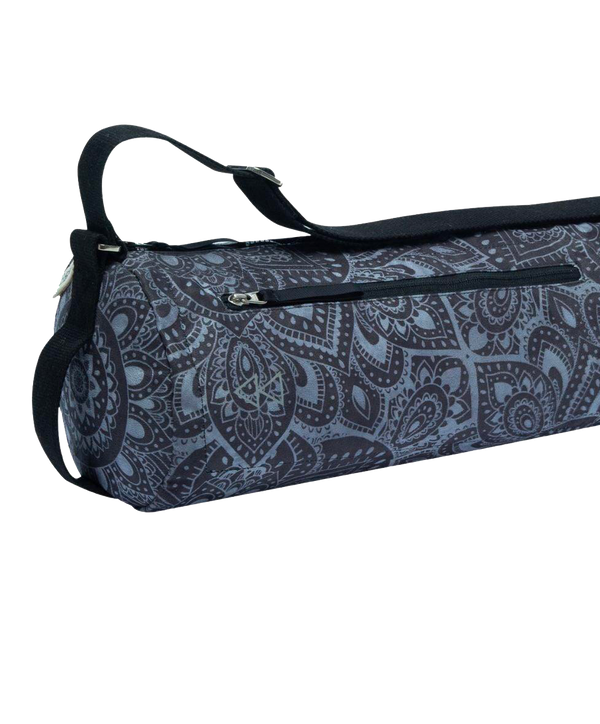


Essential Features of a High-Performance Tote
When you are looking for a carryall that will last for years, you must look past the surface. While a beautiful print is inspiring, the internal architecture of the bag determines its daily utility. There are four main pillars of a high-performance yoga bag: space, organization, comfort, and durability.
Ample Space for Props and Gear
Most yoga mats are roughly 24 inches wide, but their thickness varies significantly. If you use a plush mat for joint support, a narrow bag will feel like a constant struggle. The best yoga tote bag should accommodate not just the mat, but the extras that make a practice successful. This includes a Yoga Bolster for restorative sessions or a set of Cork Yoga Blocks for stability. If the bag is too small, you will find yourself carrying multiple smaller bags, which defeats the purpose of an all-in-one tote.
Smart Pocket Placement
There is nothing more frustrating than hearing your phone buzz at the very bottom of a deep, dark bag. High-quality totes feature specialized compartments. Look for a secure, zippered internal pocket for your wallet and keys. External "quick-access" pockets are ideal for a water bottle or a transit pass. Some bags also include a separate "wet" compartment. This is a vital feature for those who practice hot yoga and need to store a damp Yoga Towel away from their dry clothes or electronics.
Ergonomic Strap Design
Weight distribution is the most overlooked factor in bag selection. A full yoga kit can be surprisingly heavy. If a bag has thin, rounded straps, they will likely dig into your skin. We recommend looking for wide, flat straps that distribute the load across the surface of your shoulder. Reinforced stitching at the attachment points is also crucial. This prevents the bag from fraying or tearing after months of carrying heavy props.
Breathability and Ventilation
Yoga gear gets sweaty. Even if you do not practice in a heated room, your mat and clothes trap moisture. The best yoga tote bag often incorporates breathable fabrics or specialized ventilation holes. This allows airflow to reach your gear, preventing the buildup of odors. If you use a mat made of natural materials, allowing it to "breathe" between cleanings is essential for its longevity.
Why Sustainable Materials Matter
The materials used to create your bag have a direct impact on the environment. Many mass-produced bags are made from virgin plastics or chemically treated canvases that are difficult to recycle. We believe that what you carry to the studio should reflect the values of the practice itself. Sustainability is not just a trend; it is a commitment to the planet. You can explore our sustainability commitment for more detail on the materials and practices behind our products.
The Role of Recycled PET
One of the most effective ways to reduce waste is to use recycled PET microfiber. This material is made from recycled plastic bottles, diverting them from landfills and oceans. The process involves breaking the plastic down into small chips, melting them, and spinning them into a durable fiber. This fabric is incredibly strong, lightweight, and easy to clean. Our Yoga Mat Bag utilizes this recycled material to provide a high-performance solution that feels good to own.
Water-Based Inks and Eco-Dyes
The vibrant, nature-inspired prints that make yoga gear so visually appealing should not come at the cost of water quality. Traditional fabric dyes often involve harsh chemicals. Sustainable brands opt for water-based inks. These inks provide deep, rich colors without the toxic runoff associated with standard printing methods. This ensures that the beautiful patterns on your bag are as kind to the earth as they are to your eyes.
Natural and Renewable Fibers
Beyond recycled plastics, materials like natural cork and organic cotton are excellent choices for yoga accessories. Cork is harvested from the bark of cork oak trees without harming the tree itself, making it a renewable resource. While often used for blocks or wheels, cork accents on bags add a touch of grounded, organic texture.
Key Takeaway: Choosing a bag made from recycled PET or renewable materials aligns your gear with the principle of Ahimsa (non-harm). Sustainable fabrics like these are often more durable and easier to maintain than their conventional counterparts.
Matching Your Bag to Your Yoga Style
Every yogi has a unique "kit." Someone who travels the world teaching workshops has very different needs than someone who walks three blocks to a local Yin session. To find the best yoga tote bag for you, consider your primary style of practice. Our yoga mat collection includes options suited to different practice needs.
The Hot Yoga Practitioner
If you frequent heated studios, moisture management is your top priority. You likely carry a highly absorbent mat, such as our Combo Mat, which bonds a natural rubber base to a microfiber top. Because this mat acts as both a mat and a towel, it saves space. However, you will still have a damp mat after class. Your tote should be spacious enough to allow for some airflow and made of a material that will not be ruined by a little moisture.
The Restorative and Yin Specialist
Restorative yoga (a gentle, supportive style) requires the most props. You might carry a bolster, two blocks, and a blanket. For this style, a standard slim bag will not work. You need a wide-bodied tote with a structured base. This prevents the bag from tipping over when you are loading in your bulky items.
The Urban Commuter
For those who take the subway or bike to class, portability is king. You might prefer a bag that can be worn across the body or one that has a dedicated sleeve to slide over the handle of a suitcase. If you are constantly on the move, look for a lightweight recycled PET bag. It offers the strength needed to hold your gear without adding unnecessary bulk to your commute.
The Traveling Yogi
If you often take your practice on the road, look for "packability." Our Travel Combo Mat is designed to fold flat, and your bag should be able to do the same. A soft-sided tote can be tucked into a larger suitcase when not in use. This allows you to have a dedicated yoga bag once you reach your destination without taking up extra luggage space.
| Yoga Style | Essential Gear | Best Bag Type |
|---|---|---|
| Hot Yoga | Combo Mat, Hand Towel, Water Bottle | Breathable Tote or Large Sling |
| Vinyasa | Flow Mat, Block, Strap | Standard Tote with internal pockets |
| Restorative | Bolster, 2 Blocks, Blanket | Extra-Wide Structured Tote |
| Travel | Travel Mat, Lightweight Strap | Foldable, lightweight Recycled PET Bag |
For more guidance on managing sweat and gear during heated practice, read our guide to hot yoga mats and towels.
How to Pack Your Yoga Tote Like a Pro
Packing your bag efficiently saves time and protects your equipment. If you simply throw everything in, your mat may get creased, and your blocks could dent. Follow these steps to keep your gear in top shape.
Step 1: Roll your mat tightly. / Ensure there are no folds or large wrinkles, as these can become permanent over time. If you use a mat with a microfiber top, roll it with the design facing out to help it lie flat during your next class.
Step 2: Place heavy items at the bottom. / If you carry blocks or a heavy water bottle, place them at the base of the bag. This creates a stable foundation and prevents the bag from feeling top-heavy or swinging awkwardly.
Step 3: Secure your mat. / Slide your rolled mat into the dedicated sleeve or center compartment. If your tote has internal straps, use them to keep the mat from shifting while you walk.
Step 4: Organize your small essentials. / Place your keys, phone, and wallet in the zippered internal pockets. Keep your Yoga Strap and any smaller props in the side compartments to prevent them from getting tangled with your mat.
Step 5: Add a fresh towel or change of clothes. / Place these on top of the heavier items. This provides a bit of extra cushioning and keeps your clean clothes away from the bottom of the bag where dirt might accumulate.
Bottom line: A well-organized bag protects your investment in high-quality gear and makes the transition into your practice much more peaceful.
Caring for Your Yoga Bag
Even the best yoga tote bag requires a little maintenance to stay fresh. Over time, dust from the studio floor and moisture from your gear can lead to odors or stains. Fortunately, most modern sustainable materials are designed for easy care.
Spot Cleaning for Daily Maintenance For minor spills or dirt, a damp cloth with a drop of mild, eco-friendly soap is usually enough. Gently rub the area in a circular motion and allow it to air dry completely. Avoid using harsh bleach or chemical cleaners, as these can break down the fibers of recycled PET or fade the water-based inks.
Deep Cleaning Your Tote Check the care label on your specific bag. Many bags made from recycled microfiber can be hand-washed in cold water. Submerge the bag in a basin with gentle detergent, rinse thoroughly, and hang it to dry. Never put a structured yoga bag in a dryer. The high heat can warp the internal lining or damage the straps.
Managing Odors If your bag starts to hold onto the "scent" of a hard workout, try a natural deodorizer. A small sachet filled with dried lavender or a spray made of water and a few drops of tea tree oil can work wonders. Make it a habit to empty your bag as soon as you get home. Allowing your mat and clothes to air out separately is the best way to keep your tote smelling fresh.
Note: If your bag features cork accents or a natural rubber lining, avoid prolonged exposure to direct sunlight. Natural materials can become brittle or lose their color if left in a hot car or under the sun for too long.
The Intersection of Art and Utility
At Yoga Design Lab, our mission began in Bali with a simple observation: yoga gear was often dull and uninspiring. Our founder, Chad Turner, wanted to change that. He believed that if a mat or a bag was a work of art, people would be more excited to unroll it and practice. This philosophy extends to our bags. We use stunning, nature-inspired prints that turn a simple piece of luggage into an expression of your personality.
When you choose a bag that combines artful design with high-performance materials, you are investing in your own consistency. There is a psychological benefit to owning gear that you love. It makes the act of packing your bag and heading to class feel like a treat rather than a chore. Whether it is a vibrant mandala print or a calming ocean-inspired pattern, the right design can shift your mindset before you even reach the studio.
Finding Your Perfect Match
The search for the best yoga tote bag eventually comes down to your personal routine. Do you need a bag that carries your entire life, or a minimalist carrier for a quick park session? By focusing on sustainable materials like recycled PET and looking for ergonomic features like wide straps and smart pockets, you can find a bag that lasts for years.
The right gear should simplify your life. It should protect your mat, organize your props, and reflect your commitment to a more mindful way of living. When your gear works perfectly, you can stop worrying about the logistics and start focusing on your breath.
- Prioritize Sustainability: Look for recycled materials and water-based inks.
- Check the Dimensions: Ensure the tote fits your specific mat thickness and prop count.
- Focus on Comfort: Wide, reinforced straps are essential for any commute.
- Embrace Design: Choose a pattern that inspires you to show up for yourself.
Key Takeaway: A high-quality yoga tote is an investment in your practice's longevity and your personal peace of mind. By choosing a bag that balances beauty, performance, and sustainability, you support both your journey and the planet.
If you are still unsure which gear best fits your current level of practice, we invite you to take our Mat Quiz. It is a simple way to get personalized recommendations for mats and accessories tailored to your needs. Beautiful, high-performance gear is waiting to join you on the mat.
FAQ
What size yoga tote bag do I need for an extra-thick mat?
If you use a mat that is 5mm or thicker, look for a tote with a diameter of at least 7 inches when the mat is rolled. Many standard bags are designed for thinner mats, so checking the internal volume or the width of the mat sleeve is essential to avoid a tight squeeze.
Can I wash my yoga tote bag in a washing machine?
It depends on the material, but generally, we recommend hand-washing to preserve the bag’s structure and the vibrancy of the prints. Bags made from recycled PET are very durable but can be sensitive to the high-heat cycles and heavy agitation of some machines. Always air dry your bag away from direct sunlight to prevent warping.
Is a tote better than a backpack for carrying yoga gear?
A tote is often preferred for its ease of access and "studio-to-street" style, making it ideal for urban commuters. However, if you are biking to class or walking long distances, a backpack might offer better weight distribution across both shoulders. Totes are generally better for carrying bulky props like bolsters or multiple blocks.
What is the most eco-friendly material for a yoga bag?
Recycled PET (made from plastic bottles) and renewable cork are among the most sustainable choices currently available. These materials reduce the need for virgin plastics and utilize waste that would otherwise end up in landfills. Look for brands that also use water-based inks and biodegradable packaging to further reduce their environmental footprint.
