


Introduction
A yoga mat can feel comfortable in a standing pose, then surprisingly thin when you lower onto your back for Pilates. If you practice both, a firm mat around 5 to 6 millimeters thick is a useful starting point. For mostly floor-based Pilates, consider a dedicated mat around 10 to 15 millimeters thick, especially if you want more cushioning.
At Yoga Design Lab, we know the number on a mat label is only part of the decision. Your floor, the mat’s firmness, and the movements you enjoy all affect how it feels. We’ll help you compare thicknesses, test your current mat, and add padding where you need it. The best choice gives you enough comfort for floor work without feeling unsteady during the rest of your practice.
Why Pilates and Yoga Can Feel Different on a Mat
Mat Pilates often includes movements on your back, side, or knees. You might notice pressure under your spine during a roll-down or under your hip during a side-lying exercise. A little more padding can make those points of contact more comfortable.
Yoga can include floor work too, but many practices also involve standing poses. A very soft mat may feel pleasant when you lie down yet less steady when you balance on one foot. The goal is to find a surface that suits the movements you do most often.
You can use a yoga mat for Pilates. The question is whether its cushioning and feel work for your practice. A mat that feels comfortable on a studio floor may feel different on tile at home, and no single thickness guarantees comfort for everyone.


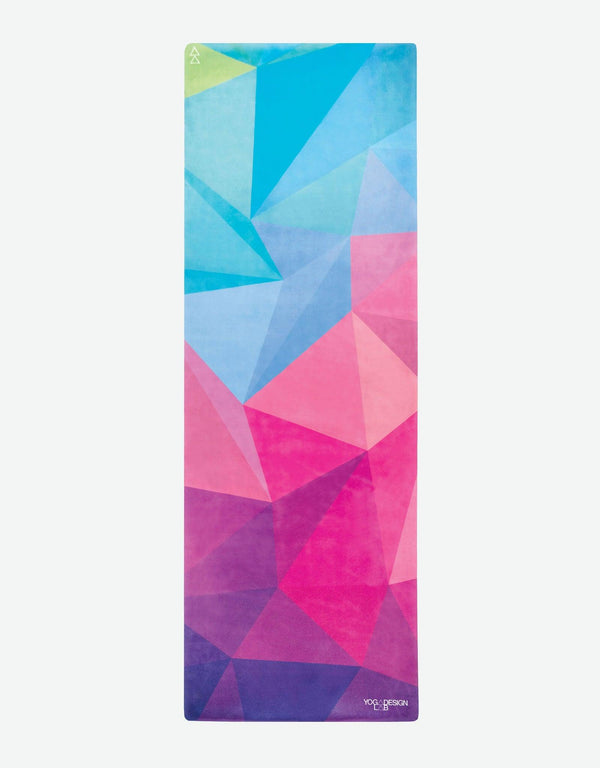


Compare Yoga Mat Thicknesses for Pilates
Our mat thickness guide suggests 5 to 6 millimeters as a starting range for a combined yoga and Pilates practice. It describes 10 to 15 millimeters as a common range for dedicated Pilates mats.
Treat those numbers as starting points rather than rules. A mat’s construction and firmness matter alongside its thickness.
| Approximate thickness | Where it may fit | Tradeoff |
|---|---|---|
| 3 to 4 mm | Yoga practice, travel, or Pilates with added padding | Easy to feel the floor, but may feel thin during rolling or kneeling |
| 5 to 6 mm | One mat used for both yoga and Pilates | A middle ground to try, though some floor exercises may still need extra padding |
| 8 to 10 mm | Pilates-focused practice with more cushioning | Can be bulkier to carry and may feel softer for standing balance |
| 10 to 15 mm | Dedicated mat Pilates, especially on a hard floor | More room for cushioning, with a larger mat to store or transport |
For a quick size reference, 6 millimeters is just under a quarter inch. Ten millimeters is roughly three-eighths of an inch, while 12 to 13 millimeters is about half an inch.
If You Practice Mostly Pilates
Start by considering a mat around 10 millimeters thick. If you spend plenty of time rolling, kneeling, or lying on your side and want more padding, you might prefer a thicker dedicated Pilates mat.
Check how the mat feels under your weight rather than choosing by measurement alone. You want cushioning without feeling as though you’re sinking into an unstable surface.
If You Split Your Time Between Yoga and Pilates
A firm 5 to 6 millimeter mat is a practical place to begin. It may offer enough cushioning for some Pilates work while keeping you closer to the floor for standing yoga poses.
You can also add a folded towel for a particular exercise rather than making your entire practice surface thicker. If you regularly need substantial extra padding, a separate Pilates mat may be worth considering.
If You Already Own a Thinner Mat
Try it before replacing it. A 3 or 4 millimeter mat may suit some Pilates movements, especially if you’re comfortable on your practice floor. For pressure points, try a stable layer beneath the mat or a folded towel under your knees.
Pay attention to how you feel throughout the session, not only when you first lie down. If rolling or side-lying exercises remain uncomfortable, more cushioning may make practice more enjoyable.
Key Takeaway: Choose for the movements you repeat most often. A versatile mat can work for both practices, while a thicker Pilates mat may be more comfortable for extended floor work.
Look Beyond the Millimeter Measurement
Firmness and Compression
Two mats with the same thickness can feel different under your knees or hips. One may compress easily, while another feels firmer. If a mat compresses so much that you feel the hard floor beneath a pressure point, its listed thickness isn’t telling you the whole story.
Firmness matters for balance, too. A mat that feels excessively soft beneath your feet can make standing poses feel less steady. The right amount of give is personal, so test the mat in positions you actually use.
Floor Surface
Hardwood, tile, and concrete offer little cushioning beneath a mat. On those surfaces, you may prefer more padding for floor-based exercises.
Carpet can add softness, but a thick or uneven carpet can also make a mat feel less stable. Check that your mat lies flat and that your hands and feet feel secure before you begin.
Grip and Surface Feel
For yoga, notice whether your hands and feet feel secure in poses such as Downward-Facing Dog. For Pilates, consider how the surface feels against your back, arms, and legs during transitions.
A surface that feels comfortable when dry may feel different when you sweat. No mat can promise that you’ll never slip, so pause and adjust if your hands or feet start moving unexpectedly.
Length, Weight, and Storage
Thickness isn’t useful if the mat doesn’t fit your space or your body. Lie down with your legs extended and check that your head and body have room on the mat. Think about the movements in your class, too, including positions where your arms reach beyond your shoulders.
If you carry your mat to a studio, consider its rolled size and weight. A thicker mat may be comfortable at home but less convenient on a walk or commute. For a studio class, ask whether mats are provided and whether you can place your own mat over one.
How to Test a Mat for Both Practices
You don’t need to perform a demanding exercise to decide whether a mat feels right. Start with familiar movements and use your usual practice surface.
Step 1: Check the Floor Contact
Lay the mat flat where you normally practice. Press your hands into it and notice whether it shifts or bunches.
Step 2: Try Kneeling and Sitting
Kneel briefly, then sit with your knees bent. Notice whether the pressure under your knees and sitting bones feels comfortable. You can add a folded towel and compare the difference.
Step 3: Lie on Your Back and Side
Lie down with your knees bent, then turn onto your side. Pay attention to the contact under your back and hip. If you already practice roll-downs comfortably, try a small, controlled movement rather than forcing a full roll.
Step 4: Test a Standing Balance
Stand on the mat and shift your weight gently onto one foot. Keep a wall or chair nearby if you want support. Notice whether the surface feels steady enough for the yoga poses you enjoy.
Use your observations to decide what to change:
- Add padding if a particular point of contact feels uncomfortable.
- Choose a firmer surface if your feet sink in or the mat feels unsteady.
- Check for movement between layers before continuing with an exercise.
Note: Stop a movement that causes pain. If you have an injury or medical condition, ask a qualified clinician or teacher about adjustments for your needs.
Ways to Add Cushion to Your Current Mat
You may not need a new mat to try Pilates. A small adjustment can help you decide whether your existing setup meets your needs.
Step 1: Add a Towel for a Specific Position
Fold a yoga towel and place it under your knees for a kneeling exercise or beneath your hip for side-lying work. Keep it flat and check that it stays in place. Move it aside when you need the full mat surface.
Step 2: Try a Layer Beneath the Mat
A folded blanket or towel beneath the center of your mat can add padding for some floor work. Smooth both layers before you begin. If the mat wrinkles, shifts, or feels uneven, remove the layer and try a different setup.
Step 3: Consider Stacking Mats
If you have two mats, you can try one on top of the other for extra cushioning. The layers must stay flat and secure. Stacking also changes how stable the surface feels, so reassess before moving into planks or standing poses.
A towel under one knee is an easy adjustment. A sliding stack is not worth keeping, even if it feels softer.
Bottom line: Add padding where you need it, then check that your practice surface still feels stable.
Choosing a Mat You’ll Enjoy Using
Once you know your preferred thickness range, consider how the mat fits your routine. Do you want one surface for a yoga class and a Pilates session? Will it stay at home, or do you need to carry it? Does the surface feel comfortable against your skin?
For a reader who wants more cushioning in a yoga mat, our Infinity Mat is an option to explore. Check the current product details and compare its listed thickness with the ranges above rather than assuming it will feel the same as a dedicated Pilates mat.
If your shared yoga and Pilates practice gets sweaty, the Combo Mat combines a mat and towel surface. It has a natural-rubber base and a recycled-PET microfiber surface. As with any mat, check that its feel and cushioning suit your movements.
We also think a design you enjoy can make it inviting to roll out your mat. At Yoga Design Lab, that choice sits alongside practical questions about cushioning, portability, and care.
Conclusion
Your best mat is the one that feels comfortable during Pilates floor work and steady during the other movements you practice. Start with the thickness, then pay attention to how the mat responds under your body.
- Try 5 to 6 mm if you want one mat for yoga and Pilates.
- Consider 10 to 15 mm if floor-based Pilates is your main practice and you prefer more cushioning.
- Test firmness, surface feel, and stability on your usual floor.
- Add a secure towel or blanket layer when you need padding in one spot.
A mat that feels good under you and catches your eye can make it easier to look forward to practice.
For help narrowing down a yoga mat, take the Yoga Design Lab Mat Quiz.
FAQ
Is a 6 mm yoga mat thick enough for Pilates?
A 6 millimeter mat can work for Pilates, particularly if you also use it for yoga. If you feel uncomfortable pressure during rolling, kneeling, or side-lying work, try extra padding or a thicker mat.
Is a 10 mm mat too thick for yoga?
Not necessarily. A 10 millimeter mat may feel comfortable for floor-based yoga, but its firmness matters for standing poses. Test your balance on it and see whether you like how much your feet sink into the surface.
Can I use a regular yoga mat for Pilates?
Yes. Start with the mat you have and notice how it feels under your back, hips, and knees. A folded towel or a stable layer beneath the mat can add cushioning where needed.
Is a thicker mat always better for Pilates?
No. A thicker mat can offer more cushioning, but a very soft surface may compress too much or feel unsteady. Choose a mat that feels comfortable and supportive during your own movements.


