


Introduction
We have all been there. You are halfway through a challenging Vinyasa (flowing movement) session, your palms start to dampen, and suddenly your Downward-Facing Dog feels like a slip-and-slide. A sliding mat pulls you out of your flow and makes it difficult to feel grounded. Choosing the right mat material is the most important decision you can make for your practice. It determines your grip, your joint support, and your environmental impact. At Yoga Design Lab, we believe that high-performance functionality should blend with stunning design and genuine sustainability. This guide will help you navigate the world of natural rubber, cork, and recycled materials. We will explore how to match your mat to your specific style of movement. Our goal is to help you find a surface that makes you excited to show up on your mat every single day.
Understanding Your Practice Intent
Before looking at specific materials, you must look at your own practice. Every yogi has different needs based on how they move and how their body reacts to heat. A practitioner who prefers a gentle Hatha (foundational postures) class in a cool room has very different requirements than someone in a humid, 105-degree hot yoga studio.
The primary factors to consider are moisture, cushioning, and stability. Some materials perform better when they are bone-dry, while others only reach their peak performance once they are damp. You also want to consider the weight of the material if you are a commuter who carries your gear to the office.
Quick Answer: For most practitioners, natural tree rubber is the best all-around material for a sustainable, high-traction base. If you sweat heavily, look for a top layer made of recycled PET microfiber or natural cork. These materials offer moisture-activated grip that actually becomes more effective as you move.


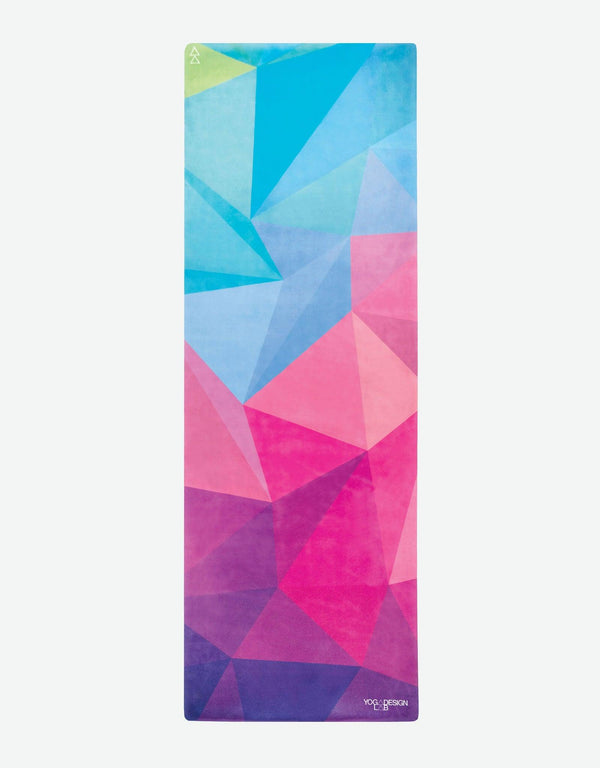


Natural Tree Rubber: The High-Performance Gold Standard
Natural tree rubber is often considered the premier material for high-quality mats. It is harvested from the bark of rubber trees, making it a renewable resource that eventually biodegrades. Unlike synthetic options, natural rubber provides a dense and grounded feel.
The Grip and Texture
Natural rubber features an "open-cell" structure. This means the material has tiny pores that provide excellent dry grip. When you press your hands into a rubber mat, the material catches your skin to prevent sliding. It offers a level of traction that synthetic plastics struggle to match. The texture is usually matte and feels substantial under the fingers.
Stability and Support
Because natural rubber is denser than foam, it offers superior joint protection without being too squishy. A 3.5mm rubber mat often feels more supportive than a 6mm foam mat. It stays flat on the floor and does not curl at the edges. This stability is essential for standing balances where you need to feel the floor to maintain your center.
Note: Natural tree rubber has a distinct, earthy scent when it is first unrolled. This is not a chemical smell, but the scent of the natural material itself. It usually fades within a few days if you leave the mat to air out in a well-ventilated room.
Recycled PET Microfiber: The Sweat Solution
If you find yourself slipping as soon as you start to glow, you likely need a hybrid material. Traditional "sticky" mats often lose their traction once they get wet. This is why many yogis use a separate towel. We solved this problem by bonding a natural rubber base to a recycled PET microfiber top layer.
How Moisture-Activated Grip Works
Recycled PET (polyethylene terephthalate) microfiber is made from recycled plastic bottles. This material acts as a built-in towel. The magic of this material is that it features moisture-activated grip. As your hands get damp, the fibers create more friction. Instead of sliding, you actually stick better to the surface.
Performance in Vinyasa and Hot Yoga
This material is ideal for vigorous styles like Power Vinyasa or hot yoga. It eliminates the need for an extra towel, which means one less thing to carry to class. The microfiber is soft to the touch when dry, which makes it comfortable for seated poses and cooling stretches.
Key Takeaway: If you have a sweaty practice, choose a mat that combines a natural rubber base with a recycled PET microfiber top. This design provides the stability of a mat with the absorption of a towel.
For more guidance on sweat management, read our guide to hot yoga mat towels with grips.
Natural Cork: The Antimicrobial and Earthy Choice
Cork is a remarkable material harvested from the bark of cork oak trees. The bark regenerates every nine years, making it one of the most sustainable materials on the planet. For practitioners who value an organic feel, a Cork Yoga Mat is a fantastic option.
Hygiene and Odor Resistance
Cork is naturally antimicrobial. It contains a waxy substance called suberin that resists the growth of mold, mildew, and bacteria. This makes cork mats very easy to keep fresh. They do not absorb odors as easily as synthetic materials, which is a major benefit for those who practice daily.
Wet Grip and Traction
Similar to microfiber, cork becomes grippier when it is damp. Many yogis find that they do not need a towel even during the sweatiest sessions. The surface is smooth but provides a natural "bite" that keeps you steady in Downward Dog. It offers a warm, earthy feel that is very grounding during Pranayama (breath control) exercises.
For a closer look at this material, explore our article on choosing a cork yoga mat.
Polyurethane (PU): The Vacuum Grip
For those who want an "unshakeable" grip that works immediately, polyurethane is a top contender. This is the material used on our Infinity Mat. It is a synthetic layer bonded to a natural rubber base.
The Feel of PU
Polyurethane is smooth and feels almost like soft leather. It provides a vacuum-like grip that catches your hands and feet even before you start to sweat. It is a high-traction material that is excellent for advanced practitioners who are working on inversions or arm balances.
Cushioning and Density
Mats made with a PU top layer are usually quite thick and dense. This provides excellent support for the knees and wrists. However, because the material is so grippy, it can sometimes be "too sticky" for practitioners who like to slide their feet during transitions. It is a matter of personal preference.
If cushioning is your priority, compare the available Infinity Mats before making your choice.
Materials to Approach with Caution: PVC and TPE
While the materials mentioned above are high-performing and sustainable, the market is also full of budget options. It is important to understand the trade-offs when choosing cheaper materials like PVC or TPE.
PVC (Polyvinyl Chloride)
PVC is the traditional material for "sticky mats." It is a synthetic plastic that is very cheap to produce.
- The Pros: It is extremely durable and can last for over a decade. It provides a reliable sticky grip when dry.
- The Cons: It is environmentally damaging to manufacture and does not biodegrade. It often contains phthalates, which are chemical plasticizers. Most importantly, PVC becomes very slippery as soon as it gets wet.
TPE (Thermoplastic Elastomer)
TPE is often marketed as an eco-friendly alternative because it is recyclable and requires less energy to make than PVC.
- The Pros: It is very lightweight and soft. It is a good choice for someone who only practices occasionally and wants a light mat.
- The Cons: It is a synthetic blend that tends to break down much faster than rubber. It often lacks the density needed for joint support and can feel "squishy" or unstable during standing poses.
Myth: A thicker mat is always better for your knees.
Fact: Density matters more than thickness. A thin, dense natural rubber mat provides more support and stability than a thick, cheap foam mat that allows your joints to sink through to the floor.
How to Choose Based on Your Yoga Style
Your style of practice should dictate your material choice. There is no single "best" mat for everyone, but there is usually a best mat for your specific routine.
For Hot Yoga and Power Vinyasa
You need a mat that handles moisture. Standard rubber or PVC will become dangerous when wet.
- Best Material: Recycled PET Microfiber or Cork.
- Why: These materials thrive on moisture. Our Combo Mat collection is specifically designed to get grippier as the intensity of your practice rises.
For Yin and Restorative Yoga
These practices involve long holds in seated or reclining positions. You want comfort and a warm feel.
- Best Material: Natural Rubber with a microfiber or cork top.
- Why: These materials provide a thermal barrier against cold studio floors. A thicker mat, such as 5.5mm, will provide the plush support needed for long holds in poses like Pigeon or Butterfly.
For Traditional Hatha and Iyengar
These styles focus on alignment and stability. You need to feel firmly planted.
- Best Material: Natural Tree Rubber or PU.
- Why: These materials offer the highest density. They do not stretch or bunch up as you move, which helps you focus on your form.
Bottom line: Match your material to your sweat level. Microfiber and cork are for sweat, while rubber and PU provide elite dry grip.
How Thickness and Material Work Together
The thickness of your mat should complement the material choice. We offer three primary thicknesses to suit different needs.
1.5mm: The Travel Option
Found in our Travel Combo Mat and Travel Cork Mat, this thickness is designed for portability. It is a thin layer of natural rubber that can be folded or rolled. It is best used for travel or as a hygienic layer on top of a shared studio mat.
Explore our travel mat options if you need a portable foundation for practice on the go.
3.5mm: The Standard Daily Mat
This is the "sweet spot" for most yogis. It provides enough cushion for poses like Anjaneyasana (low lunge) while remaining thin enough to provide a stable connection to the earth. It is a versatile choice for any class style.
5.5mm: The Extra Support Mat
If you have sensitive knees or practice on hard tile floors at home, 5.5mm is ideal. When made of dense natural rubber, this thickness offers maximum protection without sacrificing balance. This is the ultimate choice for a dedicated home practice.
Material Care and Longevity
The better you care for your materials, the longer they will perform. Natural materials like rubber and cork require slightly different care than plastic.
Step 1: Wipe down after every practice. Use a damp cloth with a drop of mild soap. Avoid harsh chemicals or bleach, as these can break down natural fibers and ruin the grip.
Step 2: Deep clean when needed. Our Combo Mats with a microfiber top are machine washable. Use a cold, gentle cycle with no bleach. Do not put cork or rubber-only mats in the washing machine.
Step 3: Air dry out of the sun. Natural tree rubber is biodegradable and sensitive to UV rays. Always hang your mat to dry in the shade. Direct sunlight can cause rubber to become brittle and lose its color.
Step 4: Roll the mat correctly. Always roll your mat with the design or top layer facing outward. This ensures that the corners stay flat when you roll it out for your next class.
Why Sustainability Matters in Your Material Choice
As yogis, we often talk about the concept of Ahimsa (non-violence). This extends to how we treat the planet. Your mat is the most significant piece of equipment you will buy. Choosing a mat made from natural rubber, cork, or recycled PET helps divert waste from landfills and avoids the use of "forever plastics" like PVC.
At Yoga Design Lab, we use water-based inks for all our artful prints. We use heat-bonding processes instead of toxic glues to join our layers together. We believe that beautiful gear can be both high-performing and kind to the environment. When you choose a mat made from thoughtful materials, you are supporting a cleaner future for the planet.
Read more about our sustainability commitment and the materials behind our designs.
Key Takeaway: Sustainability is about longevity. A high-quality natural rubber mat that lasts for years is more eco-friendly than a cheap foam mat that needs to be replaced every six months.
Conclusion
Finding the best material for your yoga mat is a journey of understanding how you move. Whether you need the moisture-activated grip of recycled PET microfiber, the antimicrobial benefits of natural cork, or the grounded stability of natural tree rubber, there is a perfect foundation for you. Choosing gear that is both beautiful and sustainable can make you more excited to step onto your mat. At Yoga Design Lab, we are committed to creating tools that support your practice and protect the planet. If you are still unsure which material is right for you, we recommend taking our Mat Quiz. It is the easiest way to find a personalized recommendation based on your unique practice needs. Roll out something you are proud of and let your practice flourish.
- Choose natural rubber for elite stability and dry grip.
- Choose microfiber or cork for sweaty sessions and hot yoga.
- Prioritize density over thickness for better joint support.
- Opt for sustainable materials like recycled PET and renewable rubber.
"The tools of our practice should be as intentional as the practice itself. Beautiful gear and sustainable materials remind us to show up for ourselves and the world around us."
FAQ
Is natural rubber better than PVC for a yoga mat?
Natural rubber is superior to PVC in terms of grip, density, and environmental impact. Rubber is a renewable, biodegradable resource that provides a grounded feel and excellent traction. PVC is a synthetic plastic that does not biodegrade and often becomes slippery when wet.
Which yoga mat material is best for people with sweaty hands?
Recycled PET microfiber and natural cork are the best materials for sweaty hands. Both materials feature moisture-activated grip, meaning they actually become more slip-resistant as they get damp. The Combo Mat is a popular choice for those who want a built-in towel effect.
Are cork yoga mats actually durable?
Yes, high-quality cork mats are very durable and resistant to crumbling when they are bonded to a natural rubber base. Cork is naturally resistant to mold and odors, which helps the mat last longer. Always roll your cork mat with the cork side facing out to prevent cracking.
Do natural rubber mats have a chemical smell?
Natural rubber mats have a distinct, earthy scent when they are brand new. This is the natural smell of the tree rubber and is not a sign of toxic off-gassing. The scent is harmless and will fade significantly within a few days if left to air out in a well-ventilated room.


