


Introduction
You are halfway through a challenging Vinyasa—movement synchronized with breath—sequence, and just as you push back into Downward-Facing Dog, your hands begin to slide. That frustrating "slip and slide" feeling is more than just a distraction; it breaks your focus and compromises your alignment. At Yoga Design Lab, we understand that the foundation of your practice is quite literally beneath your feet. Choosing the right mat isn't just about picking a pretty pattern; it is about finding the specific combination of grip, cushion, and material that supports your unique body and style of movement. This guide covers the essential criteria for selecting your ideal mat, from thickness and portability to the science of moisture-activated grip. By the end, you will know exactly which specifications will help you show up on your mat with confidence every single day.
Quick Answer: The best yoga mat depends on your primary practice style. For hot yoga or heavy sweaters, a moisture-activated microfiber "combo" mat is ideal; for those needing joint support, a 5mm or thicker high-density mat is best; and for eco-conscious yogis, natural rubber or cork provides the best sustainable grip.
The Core Criteria: How to Judge a Mat
Before diving into specific brands or designs, it is important to understand the technical elements that make a mat functional. Every practitioner has different priorities, but the "best" mat is generally measured by four key factors: thickness, material, texture, and durability. When these four elements align with your practice, the gear disappears, and you can focus entirely on your breath.
Thickness and Cushioning
The thickness of your mat determines how much impact your joints absorb. A standard yoga mat is typically around 3mm to 4mm thick. This is often the "sweet spot" for many yogis because it provides enough padding for the knees during low lunges while remaining thin enough to feel a solid connection to the floor during balance poses like Tree Pose.
If you find that your knees or wrists often ache during floor work, a thicker mat (5mm to 6mm) offers significantly more support. However, be aware that extra-thick mats can sometimes feel "squishy," which might make standing balance postures more challenging. On the other end of the spectrum, travel mats are often 1mm to 1.5mm thick. These are designed to be folded and tucked into a suitcase, but they provide very little cushion, making them best suited for use on top of a studio mat or on soft surfaces like grass or carpet. For a deeper comparison, explore this guide to choosing the right yoga mat thickness.
Material and Longevity
Most traditional mats are made from PVC (polyvinyl chloride), which is durable and sticky but not particularly eco-friendly. As the yoga community has moved toward more sustainable living, natural rubber, cork, and recycled materials have become the gold standards.
Natural tree rubber provides an excellent, heavy-duty base that stays flat on the floor and offers a springy, responsive feel. Cork is another favorite because it is naturally antimicrobial—meaning it resists the growth of mold and bacteria—and becomes grippier when it gets wet. We choose these materials because they perform better over time and respect the planet we practice on. You can read more about our sustainability story.
Understanding Grip and Traction
There are two types of grip to consider: dry grip and wet grip. Dry grip is what you feel the moment you roll out your mat with dry hands. It feels "tacky" to the touch. This is perfect for Hatha—a practice focusing on static poses—or gentle flows where you aren't working up a heavy sweat.
Wet grip, or moisture-activated grip, is a specialized feature often found in microfiber or cork mats. These surfaces might actually feel a little smooth when bone-dry, but as soon as you start to sweat, the fibers or cork cells "awaken" to provide an iron-clad grip. For practitioners who find themselves slipping on standard mats, this technology is a total shift in experience. Learn more about finding grip with a yoga mat towel.
Key Takeaway: Choose your mat thickness based on joint sensitivity (thicker for sensitive knees) and your surface based on how much you sweat (microfiber or cork for high-sweat, rubber or PU for dry grip).


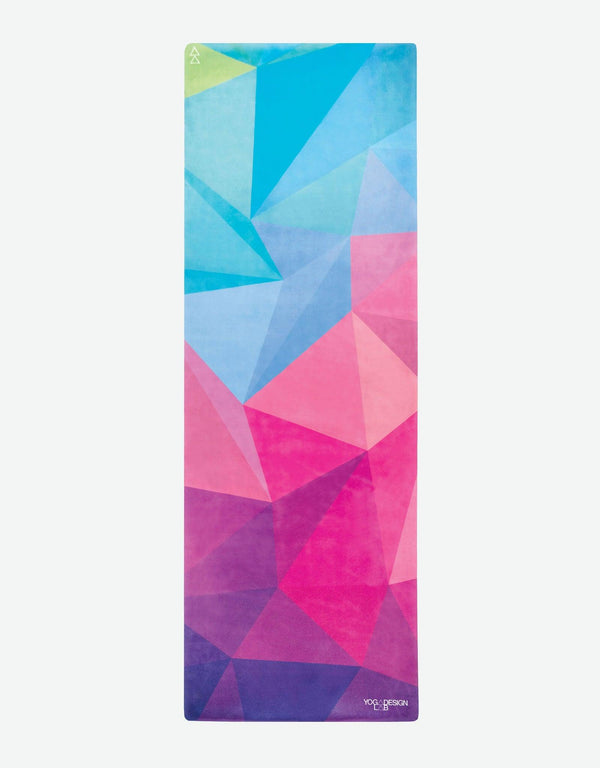


Best Mat Types for Different Styles of Yoga
Not all yoga is created equal, and neither are the mats designed for them. Matching your gear to your preferred style of asana—the physical postures of yoga—will ensure your equipment supports your goals rather than hindering them.
Hot Yoga and High-Intensity Vinyasa
In a heated room, sweat is inevitable. Traditional PVC mats often become slick and dangerous when wet, leading many students to layer a separate towel on top. This can be cumbersome, as towels often bunch up during transitions.
The Combo Mat was specifically designed to solve this problem. By bonding a high-performance natural rubber base to a recycled PET microfiber top (made from recycled plastic bottles), it acts as a mat and towel in one. The more you sweat, the more the grip increases. This type of mat is the best choice for anyone who practices in a heated studio or naturally has sweaty palms.
Restorative, Yin, and Gentle Yoga
If your practice involves long-held poses on the floor, comfort is your highest priority. In Yin or Restorative yoga, you might stay in a single pose for five minutes or more. During these sessions, you want a mat that feels like an extension of your bed.
A high-density cushioned mat, like the Infinity Mat, provides the necessary buffer for the spine and hips. Because these styles don't involve much standing balance, the extra thickness is a benefit rather than a drawback. To further support these practices, consider incorporating props like a Yoga Bolster for chest opening or Yoga Blocks to bring the floor to you.
Travel and On-the-Go Practice
For the nomadic yogi, a heavy 7-pound mat is simply not practical. A Travel Combo Mat is the best solution here. At 1.5mm thick, it provides a hygienic surface that you can fold into a square and fit into a backpack. While it offers less cushion, its portability ensures you never have to skip a practice while on the road.
Bottom line: Hot yoga requires moisture-activated surfaces like microfiber, while restorative styles benefit from the dense cushioning of a 5mm+ mat.
A Comparative Look at Mat Materials
Choosing a material is a personal decision that impacts your health, your practice, and the environment. Here is how the most common materials stack up:
| Material Type | Grip Quality | Cushion Level | Sustainability | Best For |
|---|---|---|---|---|
| Natural Rubber | Excellent (Dry) | High Response | High (Biodegradable) | Daily Flow / Vinyasa |
| Microfiber/Rubber | Excellent (Wet) | Medium to High | High (Recycled) | Hot Yoga / Sweaty sessions |
| Natural Cork | Better when wet | Firm / Stable | Very High (Renewable) | Eco-conscious / All styles |
| PU (Polyurethane) | Ultra-sticky (Dry) | Very High | Moderate | Beginners / Balance |
| PVC | Sticky (Dry) | Varies | Low (Non-recyclable) | Budget / Beginners |
Why Sustainability Should Influence Your Choice
In the early days of modern yoga, there weren't many options beyond mass-produced plastic mats. However, your mat is a surface you breathe on and touch for an hour or more every day. Choosing a mat free from toxic glues, phthalates, and PVC is a matter of personal wellness as much as environmental responsibility.
We utilize natural tree rubber and recycled PET microfiber because they provide a high-performance experience without the environmental cost. For example, our Cork Mat uses the bark of cork oak trees, which is harvested every few years without ever harming the tree. This regenerative process is a beautiful reflection of the yoga philosophy of ahimsa, or non-harming.
Myth: Eco-friendly mats aren't as durable as plastic ones. Fact: High-quality natural rubber and cork mats are engineered for longevity and often outlast cheap foam mats that flake and compress over time.
How to Match Your Experience Level to a Mat
Your needs often change as your practice deepens. While a beginner might prioritize one set of features, an advanced practitioner might look for something entirely different.
For Beginners: Stability and Ease
If you are just starting, you want a mat that feels "safe." This usually means a mat with great dry grip so you don't feel like you are sliding in your first few classes. A versatile mat like the Flow Yoga Mat is often the best place to start. It is lightweight enough to carry to class but provides a reliable surface for learning the basics of alignment.
Many beginners also find that props like a Yoga Strap or Cork Blocks are essential. These tools help bridge the gap in flexibility, allowing you to maintain the integrity of a pose without straining.
For Advanced Practitioners: Precision and Performance
As you move into arm balances and inversions—where you are upside down—you need a mat that won't move an inch. Advanced yogis often prefer a mat with a bit more density and a very reliable grip. The Infinity Mat is a favorite for those working on handstands because its textured surface provides a firm, unshakeable foundation for the hands.
Personalizing Your Choice: The Mat Quiz
If you are still feeling stuck between two options, we recommend a simple self-reflection. Ask yourself:
- Do I sweat significantly during practice?
- Do my knees or wrists need extra padding?
- Will I be carrying this mat on a commute or keeping it at home?
- Is sustainability a top priority for me?
If you want a tailored recommendation based on these answers, take the Mat Quiz to narrow down the perfect match for your specific lifestyle.
Action Steps for Choosing Your Best Mat
Step 1: Identify your primary style. If you do 90% hot yoga, a Combo Mat is your best bet. If you mostly do Hatha at home, look for an Infinity or Flow mat. Step 2: Assess your joints. Press your thumb into a mat. If it bottoms out immediately, it might not provide enough cushion for your knees. Step 3: Check the "Grip Factor." If you have dry skin, look for PU or Rubber. If you have oily or sweaty skin, prioritize Microfiber or Cork. Step 4: Consider the commute. Weigh the mat before buying if you plan to walk or bike to your studio; 7 pounds can feel very heavy after a mile walk.
Maintenance: Keeping Your "Best" Mat at Its Best
Once you have invested in a high-quality mat, proper care is essential to maintain its performance. A mat that is clogged with skin oils and dust will lose its grip, regardless of how "sticky" it was originally. For additional guidance, read how to keep your yoga mat clean.
Cleaning Routine for Different Materials
- Microfiber Combo Mats: These are unique because they are often machine-washable. Use a gentle cycle with cold water and no bleach. Always hang to dry; never put them in the dryer.
- Natural Rubber and PU Mats: These should be wiped down with a damp cloth and a very mild solution of water and vinegar. Avoid essential oils on PU surfaces, as they can clog the pores and reduce grip.
- Cork Mats: Cork is naturally antimicrobial, so it doesn't need much. A simple wipe with water after a sweaty class is usually enough. For a deeper clean once a month, use a mild, natural soap.
Note: Never leave your natural rubber or cork mat in a hot car or in direct sunlight for extended periods. The UV rays and heat can cause natural materials to break down and become brittle.
Expanding Your Practice with Props
While the mat is the most important piece of gear, the "best" setup often includes a few key accessories. Props are not "cheating"—they are tools that allow you to explore a deeper range of motion safely.
- Blocks: Use a Cork Yoga Block for stability in standing poses or a Foam Yoga Block for more gentle, restorative support.
- Wheels: A Cork Yoga Wheel is an incredible tool for spine mobility and chest opening. Many yogis find it supports backbends that otherwise feel inaccessible.
- Straps: A Yoga Strap acts as an extension of your arms, helping you reach your feet in seated forward folds while keeping your spine long.
Conclusion
Finding the best yoga mat is a journey toward better supporting your physical body and your mental focus. Whether you need the moisture-activated grip of our recycled microfiber mats or the dense joint support of a high-performance rubber base, the right gear makes you more excited to roll out your mat and show up for yourself. We believe that when beauty, performance, and sustainability meet, your practice can truly flourish. Take a moment to consider your specific needs, and don't be afraid to invest in a tool that will last for years to come.
Key Takeaways:
- Match your mat to your sweat level: Microfiber for wet, Rubber/PU for dry.
- Prioritize thickness (3.5mm-5.5mm) based on your joint health and balance needs.
- Invest in sustainable materials like natural rubber and cork for better performance and a smaller footprint.
If you are ready to find your perfect match, take our Mat Quiz or explore our yoga mat collection to see which one speaks to your practice.
FAQ
Is a thicker yoga mat always better?
Not necessarily, as thickness is a trade-off between cushion and stability. While a 6mm mat provides excellent support for sensitive knees, it can feel "squishy" and make standing balance poses more difficult. Most practitioners find that a 3.5mm to 5mm mat offers the ideal balance for a variety of yoga styles.
How do I know if I need a "wet grip" mat?
If you find yourself slipping in Downward-Facing Dog or frequently using a separate yoga towel, you likely need a moisture-activated mat. Mats with a microfiber or cork surface are specifically engineered to provide more traction as they get damp, making them the best choice for hot yoga or vigorous Vinyasa.
Are eco-friendly mats actually durable?
Yes, high-quality eco-friendly mats made from natural rubber or cork are often more durable than cheap, synthetic foam mats. Natural rubber is highly resilient and keeps its "spring" for years, while cork is a tough, long-lasting material that resists flaking when cared for properly.
Can I use a Pilates mat for yoga?
It is generally not recommended to use a standard Pilates mat for yoga. Pilates mats are typically much thicker (up to 15mm) and designed for floor exercises, which makes them too unstable for standing yoga poses. Additionally, they often lack the specialized grip needed to prevent hands and feet from sliding during yoga transitions.


