


Introduction
We have all experienced that moment of frustration in a crowded class where a deep downward dog (Adho Mukha Svanasana) turns into a slow-motion slide. Your hands creep forward, your focus shatters, and suddenly you are more worried about slipping than your breath. Finding the right foundation is about more than just choosing a pretty pattern. It is about how the material supports your joints, how the surface responds to your sweat, and how the production of that gear impacts the planet.
At Yoga Design Lab, we believe that beautiful, high-performance gear should inspire you to show up for yourself every single day. This guide will walk you through the essential factors of material, thickness, and grip to help you decide which type of yoga mat is best for your specific needs. Whether you are a dedicated hot yoga practitioner or a beginner looking for your first stable surface, the right mat is waiting for you.
Understanding Yoga Mat Materials
The material of your mat is the most important factor in determining its performance and lifespan. It dictates the texture, the "stickiness," and the environmental footprint of your gear. While many mass-produced mats are made from PVC (polyvinyl chloride), we choose to focus on materials that are better for both the body and the earth.
Natural Tree Rubber
Natural tree rubber is often considered the gold standard for high-performance yoga. It provides a dense, heavy base that stays flat on the studio floor without curling at the edges. Because it is a natural material, it is biodegradable and lacks the harsh chemical smells often associated with synthetic mats.
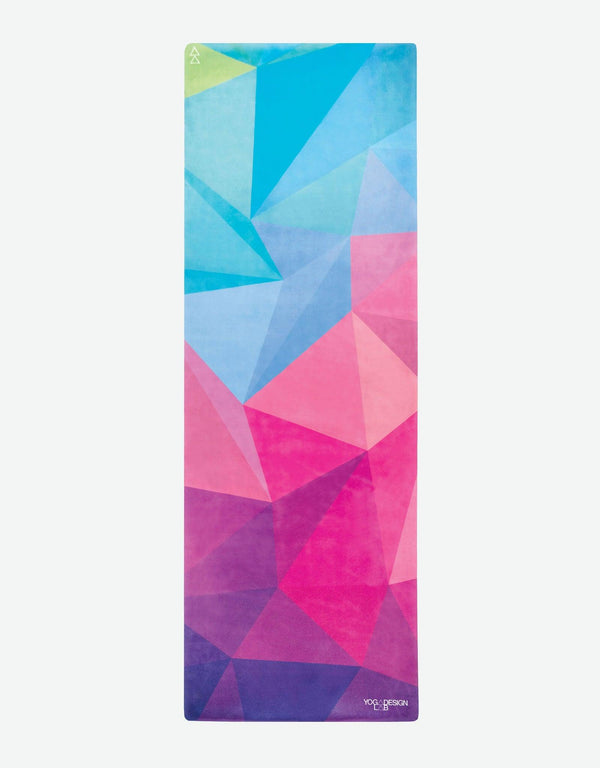
Most of our mats, including the signature Combo Mat and the Cork Mat, utilize a natural tree rubber base. This provides a supportive cushion that does not "bottom out" over time. If you have a latex allergy, however, you should be cautious with natural rubber and look for synthetic alternatives.
Recycled PET Microfiber
For those who practice styles that involve a lot of movement and heat, a microfiber surface is often the best choice. This material is made from recycled plastic bottles, turning waste into a high-performance textile. The beauty of this material is that it acts as a mat and a towel in one.
This is the top layer of our Combo Mat. It is designed to be moisture-activated. This means the more you sweat, the more the grip increases. For many practitioners, this eliminates the need to carry an extra bulky towel to class.
Natural Cork
Cork is a renewable resource harvested from the bark of cork oak trees. It is naturally antimicrobial, meaning it resists the growth of mold, mildew, and odors. This makes it an excellent choice for anyone who wants a low-maintenance, hygienic surface.
Our Cork Mat provides a unique, earthy feel under the hands. Like microfiber, cork becomes even grippier when wet. It offers a smooth yet secure texture that feels grounded and firm during balancing poses (asanas).
Polyurethane (PU)
PU mats are known for their extreme "dry grip." Even when your hands are completely dry, the surface feels slightly tacky to the touch. This material is often used in mats designed for intense alignment work where you need to feel "locked" into place. Our Infinity Mat uses a high-quality, recyclable PU surface to provide this level of security and joint support.
Key Takeaway: Material choice is the foundation of your practice. Natural rubber offers stability, microfiber manages sweat, cork provides a hygienic and natural feel, and PU offers the ultimate dry grip.




Deciding on the Right Thickness
Thickness is a personal preference that balances comfort with stability. If a mat is too thin, your knees might ache during low lunges (Anjaneyasana). If it is too thick, you might find it difficult to balance during a tree pose (Vrksasana) because you cannot feel the floor.
1.5mm: The Travel Standard
A 1.5mm mat is designed for portability. These are often called travel mats. They are thin enough to fold like a piece of clothing and fit into a suitcase or a backpack. Our Travel Combo Mat is a favorite for yogis on the go. While you sacrifice some cushioning, you can always layer a travel mat over a studio-provided mat for a hygienic, grippy surface with extra padding.
3mm to 4mm: The Versatile Choice
This is the standard thickness for most daily practices. It provides enough cushion for your spine during floor work but remains firm enough for standing balances. Most people find that a 3.5mm mat, like our standard Combo Mat or Cork Mat, strikes the perfect balance for Vinyasa (flowing movement) or Hatha (gentle, held poses) classes.
5mm and Above: The High-Cushion Option
If you have sensitive joints or a history of knee issues, a thicker mat is essential. A 5.5mm mat provides significant shock absorption. Our 5.5mm Combo Mat and the Infinity Mat are engineered for those who want maximum comfort. This thickness is also excellent for Restorative or Yin yoga, where you hold poses for several minutes and need a soft, supportive surface.
Bottom line: Choose 1.5mm for travel, 3.5mm for a balanced everyday practice, and 5.5mm for joint support and restorative styles.
For a deeper look at how thickness affects comfort and stability, read this guide to choosing the best yoga mat thickness.
Grip and Texture: Finding Your Connection
Grip is often the most discussed feature of any mat. However, the "best" grip depends entirely on how much you sweat. There are two primary types of traction to consider: dry grip and moisture-activated grip.
Dry Grip
A dry grip mat feels sticky the moment you touch it. This is ideal for Hatha yoga, Yin yoga, or any practice where you do not expect to sweat heavily. If your hands stay dry, a surface like the textured PU on our Infinity Mat will keep you from sliding.
Moisture-Activated Grip
For hot yoga or vigorous Vinyasa, a traditionally "sticky" mat can actually become slippery once a layer of sweat sits on top of it. This is where moisture-activated surfaces like microfiber or cork shine.
Our Combo Mat was specifically designed to solve the "slipping in hot yoga" problem. The recycled PET microfiber top absorbs moisture and uses it to create traction. If you are starting a practice with dry hands, you can simply spritz the mat with a little water to "wake up" the grip.
Quick Answer: The best type of yoga mat depends on your practice style. Hot yoga enthusiasts benefit most from moisture-activated microfiber (like the Combo Mat), while those seeking joint support and dry traction should look for thicker, textured surfaces (like the Infinity Mat).
For more guidance on traction, explore this guide to finding the right slip-free yoga mat.
Matching Your Mat to Your Yoga Style
Every style of yoga has different physical demands. Matching your gear to your movement ensures you get the most out of every session.
Hot Yoga and Bikram
In a heated room, sweat is inevitable. You need a mat that can handle a high volume of moisture without losing its integrity. A mat-and-towel hybrid is the most efficient choice. We recommend the Combo Mat for these sessions. It eliminates the distraction of a bunching towel and allows you to focus entirely on your breath (pranayama).
Vinyasa and Power Yoga
These styles involve frequent transitions and weight-bearing on the hands. You need a mat that stays put and provides a reliable grip through every Sun Salutation (Surya Namaskar). A 3.5mm thickness is usually ideal for these moving meditations, providing enough cushion for the knees during transitions without feeling "mushy."
Restorative and Yin Yoga
In these slower-paced classes, you spend a lot of time on the floor. Comfort is the priority. A thicker mat combined with props like our Yoga Bolster or Yoga Block will help you sink into the poses. The Infinity Mat is a great choice here because its plush feel supports the body through long holds.
Travel and Outdoor Practice
If you enjoy practicing in a park or while on vacation, weight and washability are key. A foldable travel mat that you can throw in the washing machine is a massive advantage. Our Travel Combo Mat is machine washable, making it easy to clean off the grass or salt air after an outdoor session.
The Importance of Sustainability
As yogis, we strive to live by the principle of Ahimsa, which means non-harm. This extends to how we treat the planet. The yoga industry has historically relied heavily on PVC, a plastic that is difficult to recycle and often contains harmful phthalates.
We are committed to a different path. Our journey began in Bali when our founder noticed the sheer amount of uninspiring, plastic gear in a sea of natural beauty. We decided that performance should never come at the expense of the environment.
- Recycled PET: We use microfiber made from recycled plastic bottles. This diverts waste from landfills and oceans.
- Natural Rubber: Our bases are made from sustainably harvested tree rubber, which is a renewable and biodegradable resource.
- Water-Based Inks: The vibrant, artful prints on our mats are created using water-based inks, avoiding the toxic chemicals found in traditional synthetic dyes.
- Vegan Friendly: All our products are 100% vegan and cruelty-free.
When you choose a mat made from these materials, you are supporting a circular economy and reducing your personal environmental impact. You can explore Yoga Design Lab's sustainability commitment for more on these materials and practices.
How to Choose: A Step-by-Step Guide
If you are still unsure which path to take, follow these steps:
Step 1: Identify your sweat level. If you sweat heavily or practice in heat, look at the Combo Mat or Cork Mat. If you stay dry, look at the Infinity Mat or Flow Yoga Mat.
Step 2: Assess your joint needs. Do your knees or wrists need extra padding? If yes, go with a 5mm or 5.5mm thickness. If you prefer a "grounded" feel, 3.5mm is perfect.
Step 3: Consider your commute. Do you walk or bike to the studio? A lighter mat or a travel version might be better. If you practice mostly at home, weight is less of a concern, and you can opt for a heavier, more cushioned mat.
Step 4: Take the Mat Quiz. If you want a personalized recommendation based on your specific habits, our guide to finding your perfect mat is a great tool to find your perfect match in under a minute.
Care and Longevity
Regardless of which type of yoga mat you choose, proper care will extend its life and maintain its grip.
- Cleaning Microfiber: For mats like our Combo Mat, a gentle machine wash on a cold cycle with no bleach is perfectly safe. Hang it to dry away from direct sunlight.
- Cleaning Cork: Cork is naturally clean, but a quick wipe with a damp cloth after a sweaty session is helpful. Avoid using harsh chemical cleaners, as they can break down the natural fibers.
- Cleaning PU and Rubber: Use a dedicated yoga mat wash or a simple mixture of water and a drop of mild soap. Always let the mat dry completely before rolling it back up.
Note: Never leave your natural rubber mat in a hot car or in direct sunlight for extended periods. High heat can cause natural rubber to break down and lose its springiness.
Myth vs. Fact
Myth: You need a "sticky" mat for all types of yoga. Fact: Stickiness can actually cause you to trip or "stuck" during fast transitions in Vinyasa. A smooth, moisture-activated surface is often better for flowing styles.
Myth: Thicker mats are always better for beginners. Fact: While cushion is nice, very thick mats can make balancing poses much more difficult for beginners who are still building ankle and foot strength.
Conclusion
The best yoga mat is ultimately the one that makes you excited to roll it out and step into your practice. It should be a reflection of your values, a support for your physical needs, and a beautiful addition to your daily ritual. Whether you prioritize the moisture-absorbing power of our signature Combo Mat or the grounded, antimicrobial surface of our Cork Mat, your gear should work as hard as you do.
We believe that when artful design meets sustainable performance, your practice can truly flourish. By choosing high-quality materials like natural tree rubber and recycled PET, you are investing in your own wellness and the health of the planet.
Key Takeaway: Prioritize grip for safety, thickness for comfort, and materials for sustainability. Your mat is your sacred space—choose one that supports your journey.
FAQ
Is a thick or thin yoga mat better?
A thick mat (5mm-6mm) is better for those with sensitive joints or who prefer restorative practices, as it provides more cushion. A thin mat (1.5mm-3mm) is better for travel and for those who want a strong connection to the floor for better stability in balancing poses.
What is the best yoga mat for hot yoga?
The best mat for hot yoga is one with a moisture-activated grip, such as a microfiber or cork surface. Our Combo Mat is specifically designed for this, as the recycled PET microfiber top absorbs sweat and becomes grippier as you move, eliminating the need for a separate towel.
Are cork yoga mats worth it?
Cork mats are highly recommended for practitioners who value a natural feel and a hygienic surface. Cork is naturally antimicrobial and eco-friendly, and it provides an excellent grip that actually improves when your hands are slightly damp or sweaty.
How do I know if I need a new yoga mat?
You should consider a new mat if you notice the material is beginning to flake or "shed," if the grip has permanently faded, or if the cushioning has compressed to the point where it no longer protects your joints. A high-quality natural rubber mat from Yoga Design Lab is designed to be durable, but like any piece of athletic gear, it will eventually show signs of wear after years of consistent use.


